
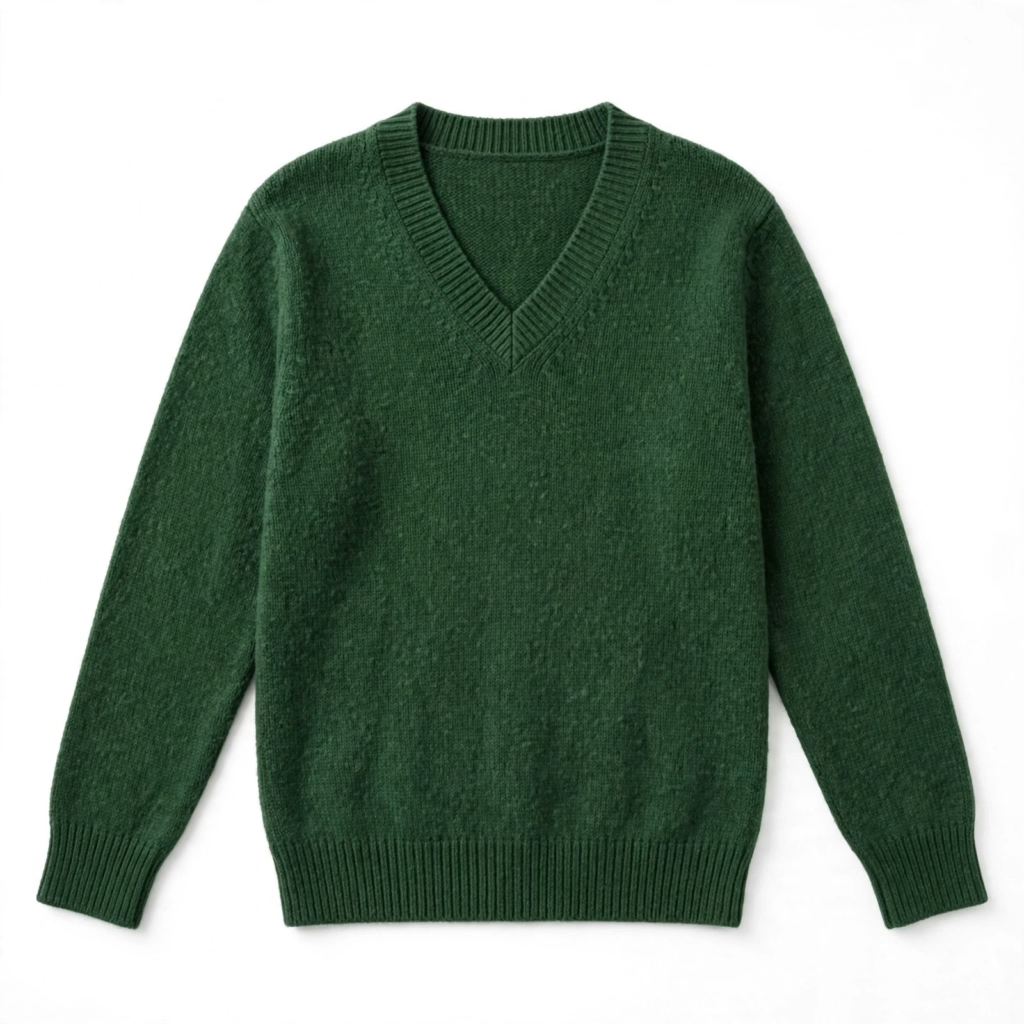
Why Buyers Choose Garment Manufacturers in Bangladesh
Bangladesh has built its export economy around clothing, and its sewing floors handle knitted and woven garments for high-street and catalogue buyers every working day. The trade is organised through the Bangladesh Garment Manufacturers and Exporters Association, which represents the factories behind that trade. For a buyer, that depth means your style is rarely a first for the people sewing it.
The cost logic is plain. A garment is mostly cloth, sewing time and finishing, and Bangladesh keeps all three competitive without cutting the construction short. The garment manufacturers in bangladesh that win repeat orders do it the same way: approved samples kept on file, shade standards held from run to run, and inspection treated as part of production rather than as a favour at the end.
Garments Manufacturer in Bangladesh for Canadian Brands
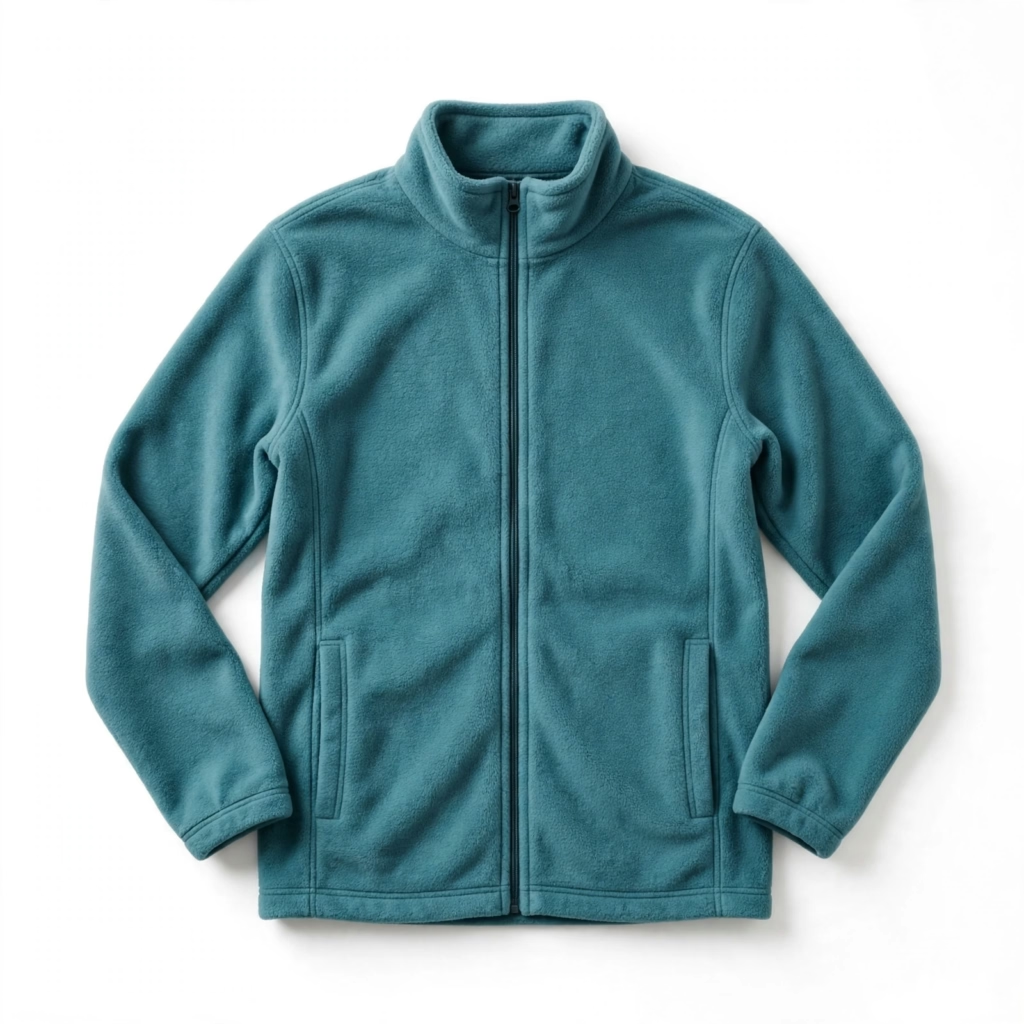
Canadian brands buy across two seasons at once: heavy fleece and layered knitwear for the long winter, light jerseys and polos for the short summer. Working as your garments manufacturer, Siatex builds both ends of that calendar from your tech packs, with size ratios set to North American blocks and bilingual care labelling settled at the approval stage, not at the carton door.
Supplier details are agreed before production, not discovered after it. Your approved sample, shade references and packing format stay on file, cartons can be packed by colour and size for warehouse picking, and each box is marked so stock books in from the packing list without opening cartons. One merchandiser follows your account from the first sample to the final carton.
Season planning runs ahead of the weather. Winter fleece programmes are sampled and approved while the previous season is still selling, so bulk production lands with time in hand. Because your standards stay on file, a reorder in a new colourway restarts from the approved garment, and the only fresh approval is the new shade against your standard.
What Buyers Check Before Placing an Order
Experienced buyers judge garment manufacturers in bangladesh on evidence, not on promises. Before you commit to any factory on your shortlist, ask to see the following, in writing or as physical pieces, and compare the answers side by side:
- A sample sewn from your own tech pack, in the actual fabric, approved before any bulk commitment.
- Fabric checks for shade, weight and shrinkage recorded before cutting, not after sewing.
- Your labels, hangtags and packaging approved as finished pieces, not as artwork alone.
- Inline and final inspection against the approved sample, with faulty pieces removed before packing.
- A production calendar worked backwards from your delivery date and agreed in writing.
- One named merchandiser who follows your order from sample to shipment and answers for it.
Any supplier who can show you these six things can run a programme. The checks cost little at the start and save the whole order later, because every fault they catch at sample stage is a fault that never reaches your customers, your stores or your returns desk.
Clothing Supplier in Bangladesh for Spanish Retailers
Spanish retailers work at fashion pace: colour stories that turn with the season, several styles sharing one fabric family, and size sets cut for the European market. Acting as your clothing supplier, Siatex runs each style through its own approval, so a fast-moving colour or a late style change is absorbed by the programme instead of breaking it.
Retail finishing is settled style by style. Spanish-language care and fibre labels are prepared to your artwork, garments are folded and bagged for shelf or rail as your stores require, and cartons can be packed to store allocation so a mixed arrival splits correctly at your distribution centre. The garment leaves Bangladesh already dressed as your product.
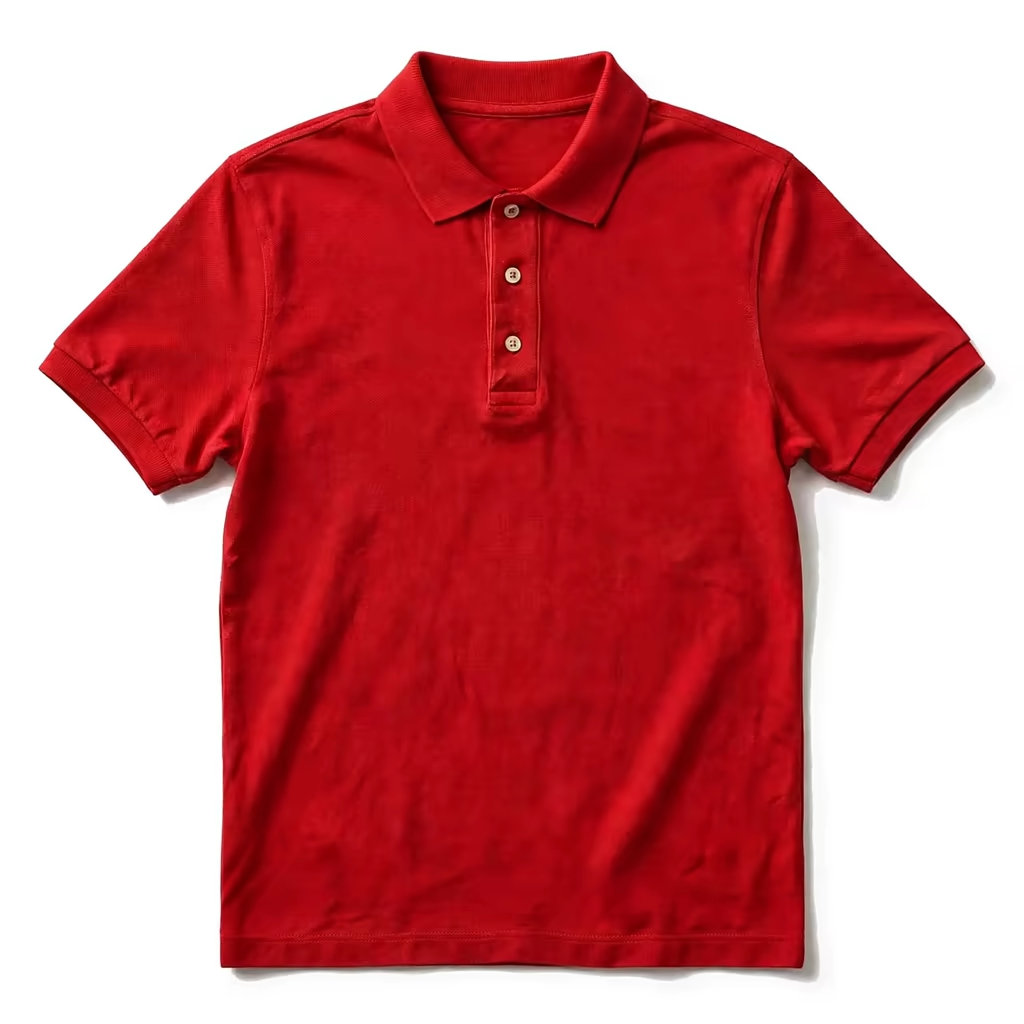
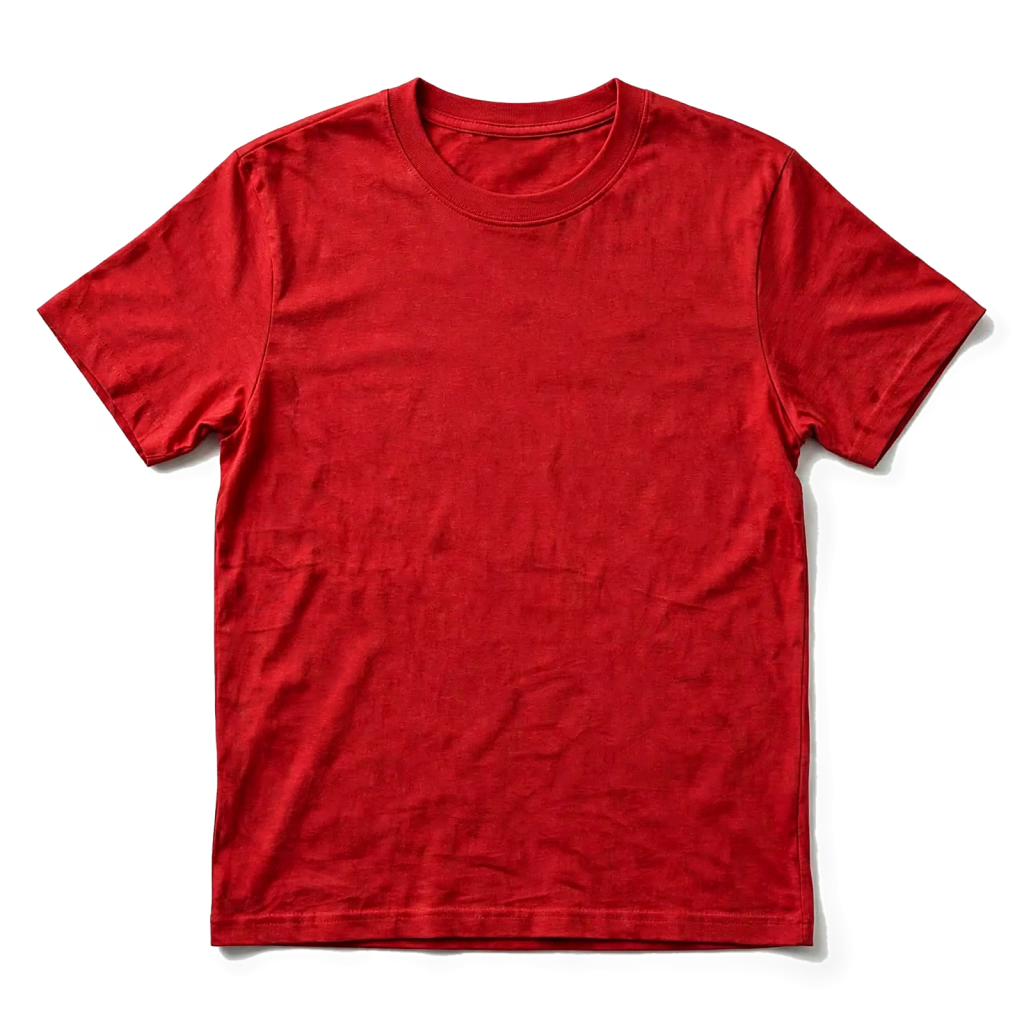
Colour continuity matters when several styles share one story on the rail. Fabrics for a story are dyed and checked as a family, so the red in a polo matches the red in a tee under shop lighting. Reorders of a selling style restart from the retained sample, keeping the fit your customers already know.
The Garment Range: T-Shirts, Hoodies, Polo Shirts and Workwear
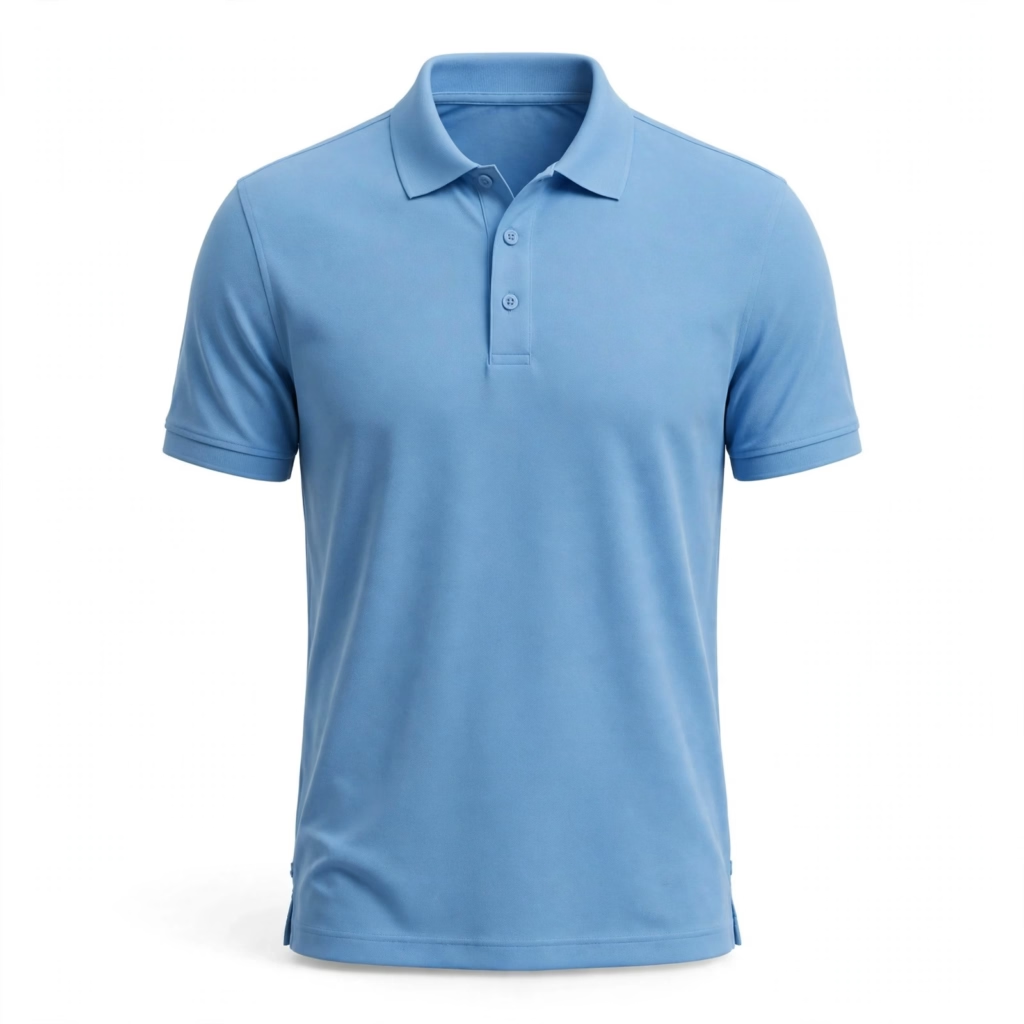
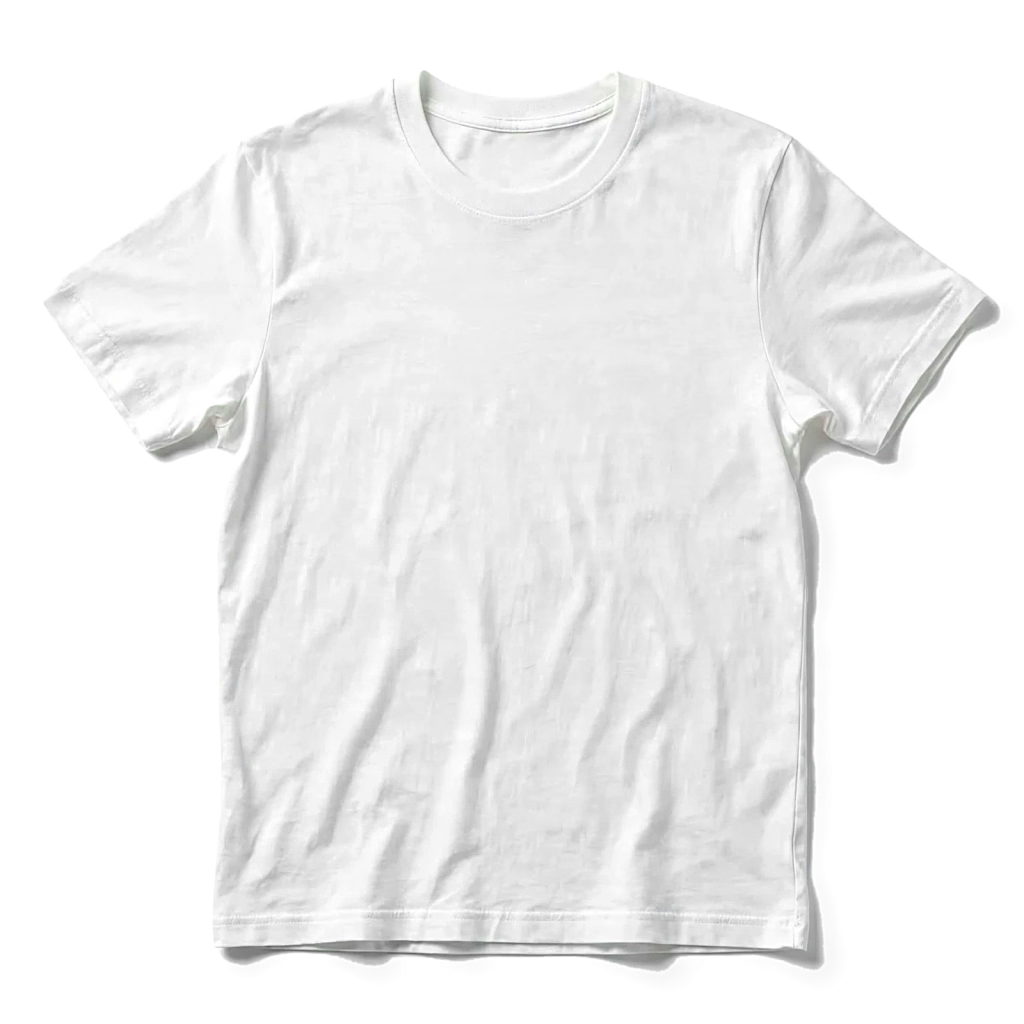
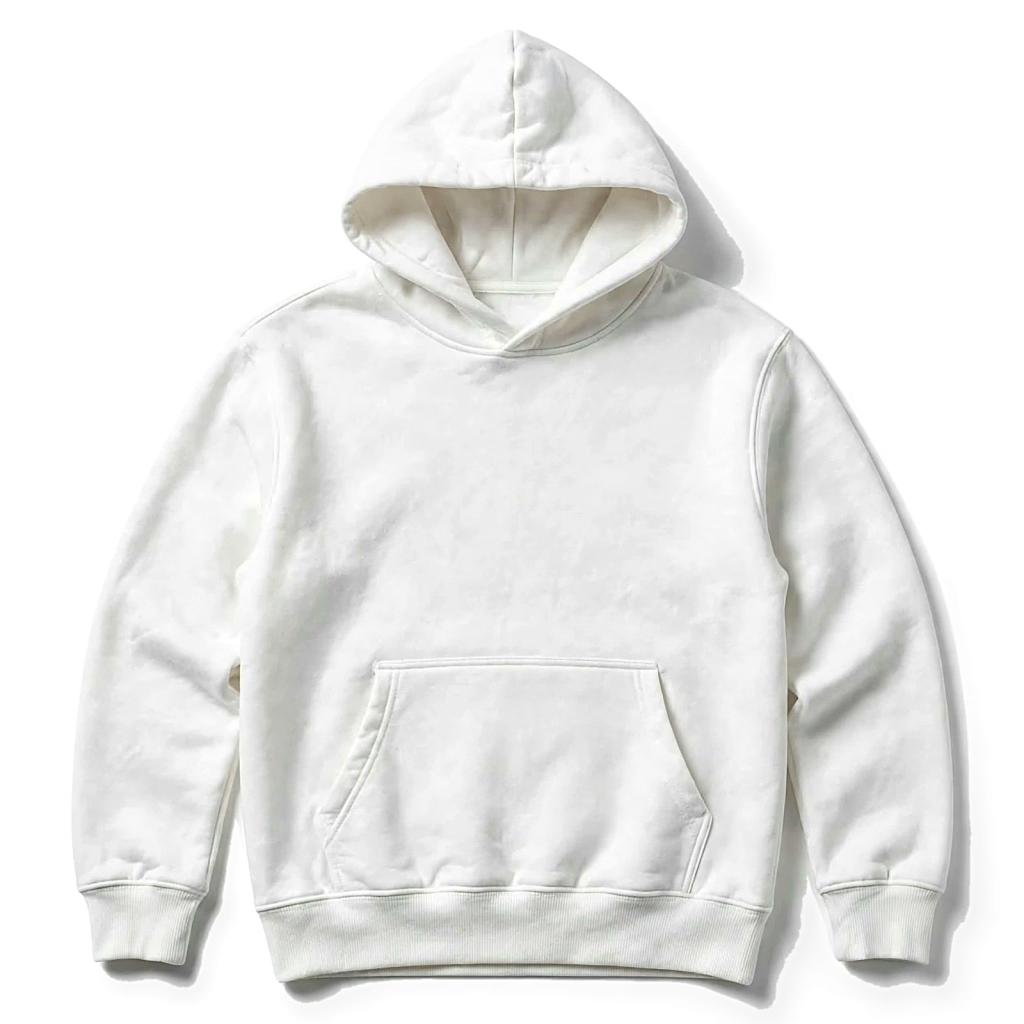
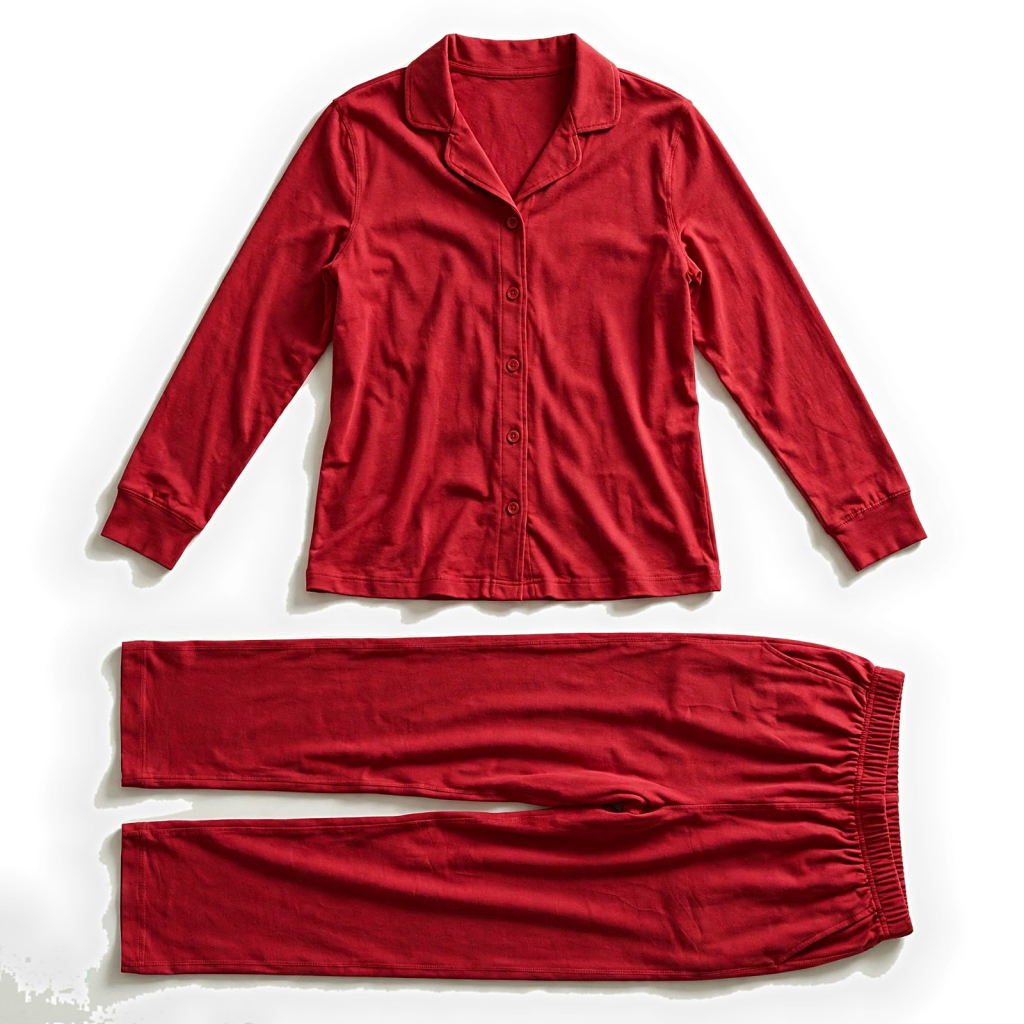
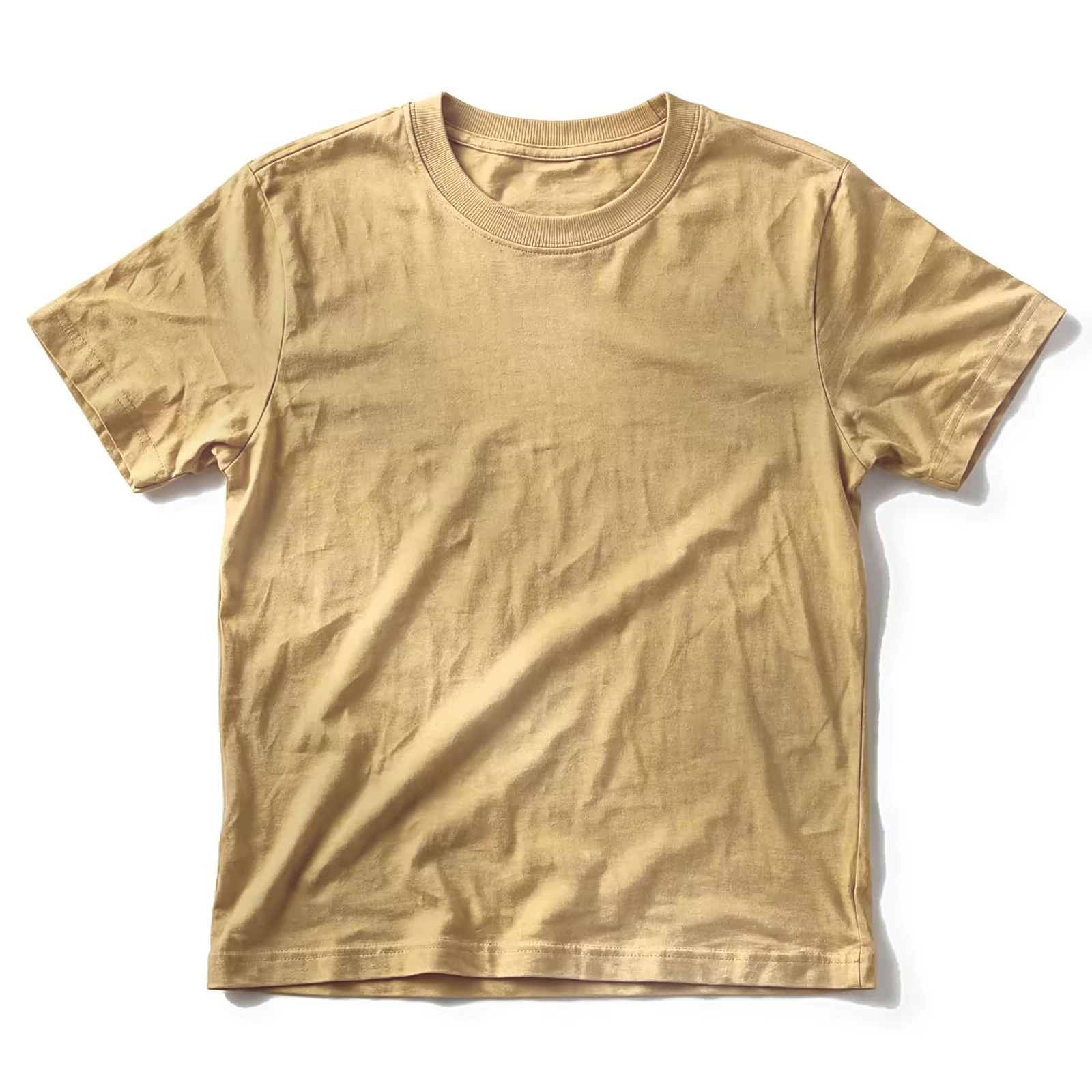
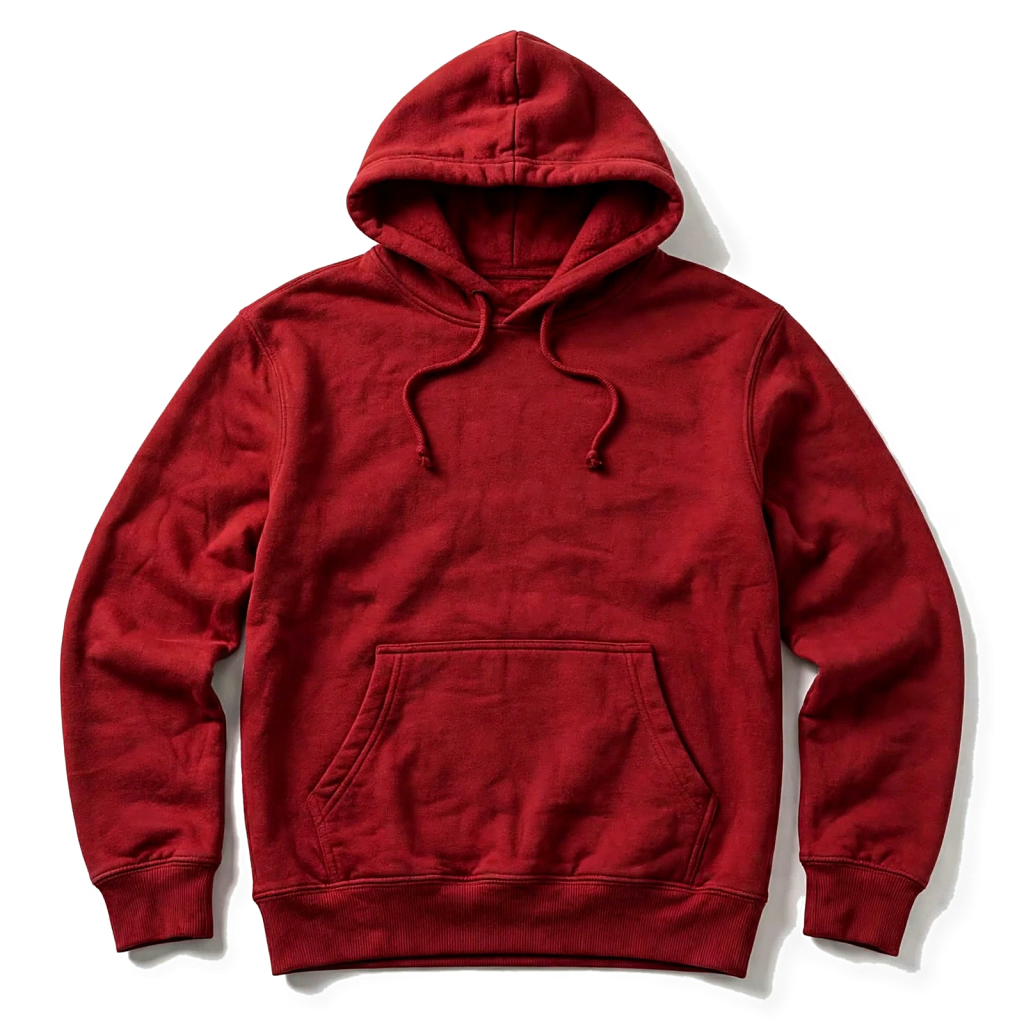
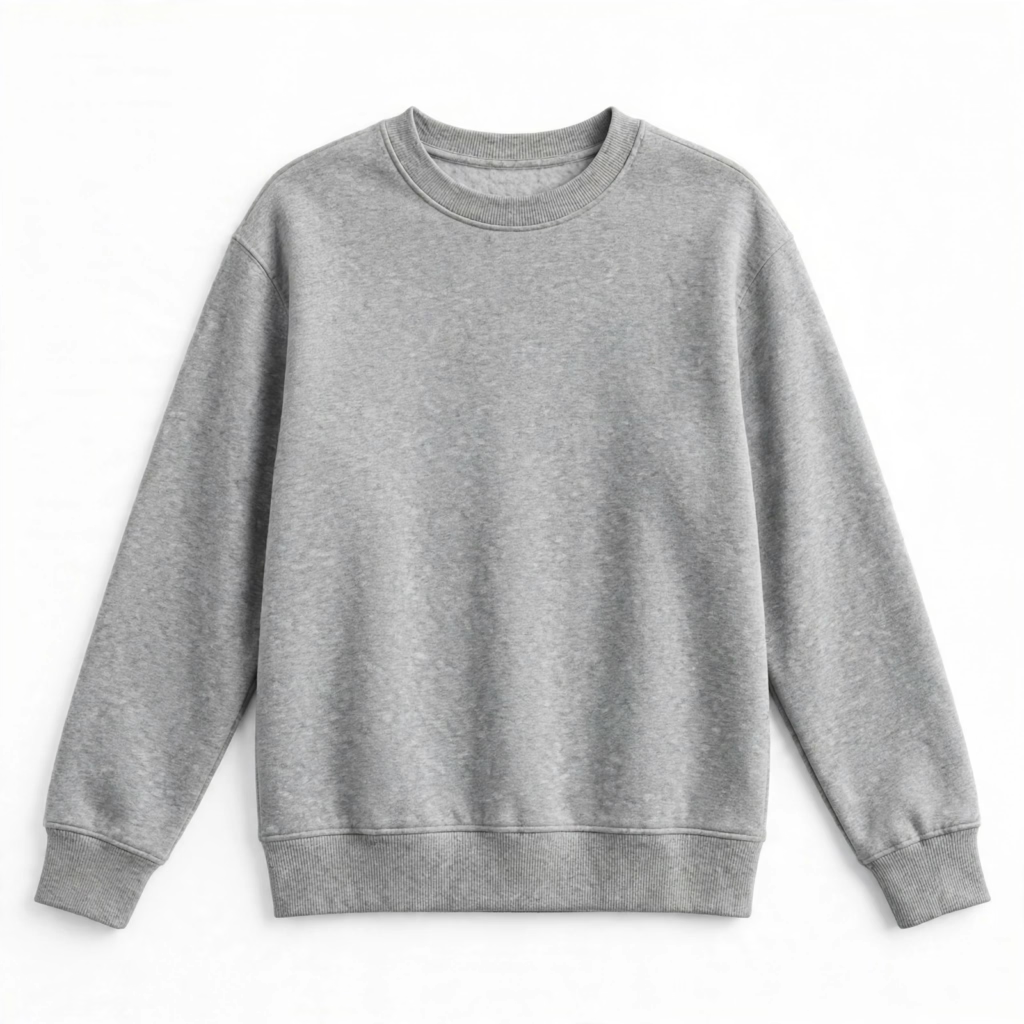
The core knit programme covers t-shirts in crew, V-neck and long-sleeve cuts, hoodies and sweatshirts in brushed fleece, and polo shirts with knitted collars and taped shoulders. Knitwear, leggings, underwear and sleepwear run from the same fabric families, so a buyer can build a full catalogue from one approved standard.
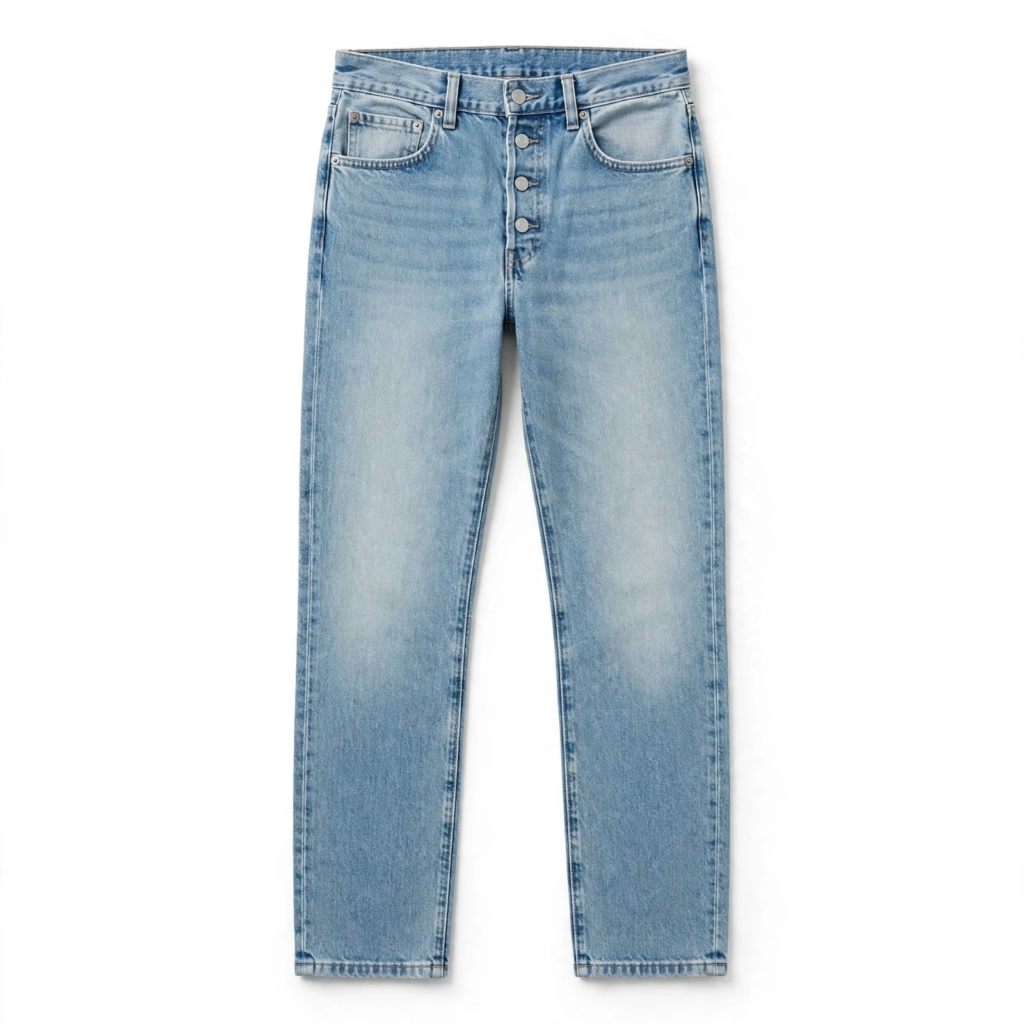
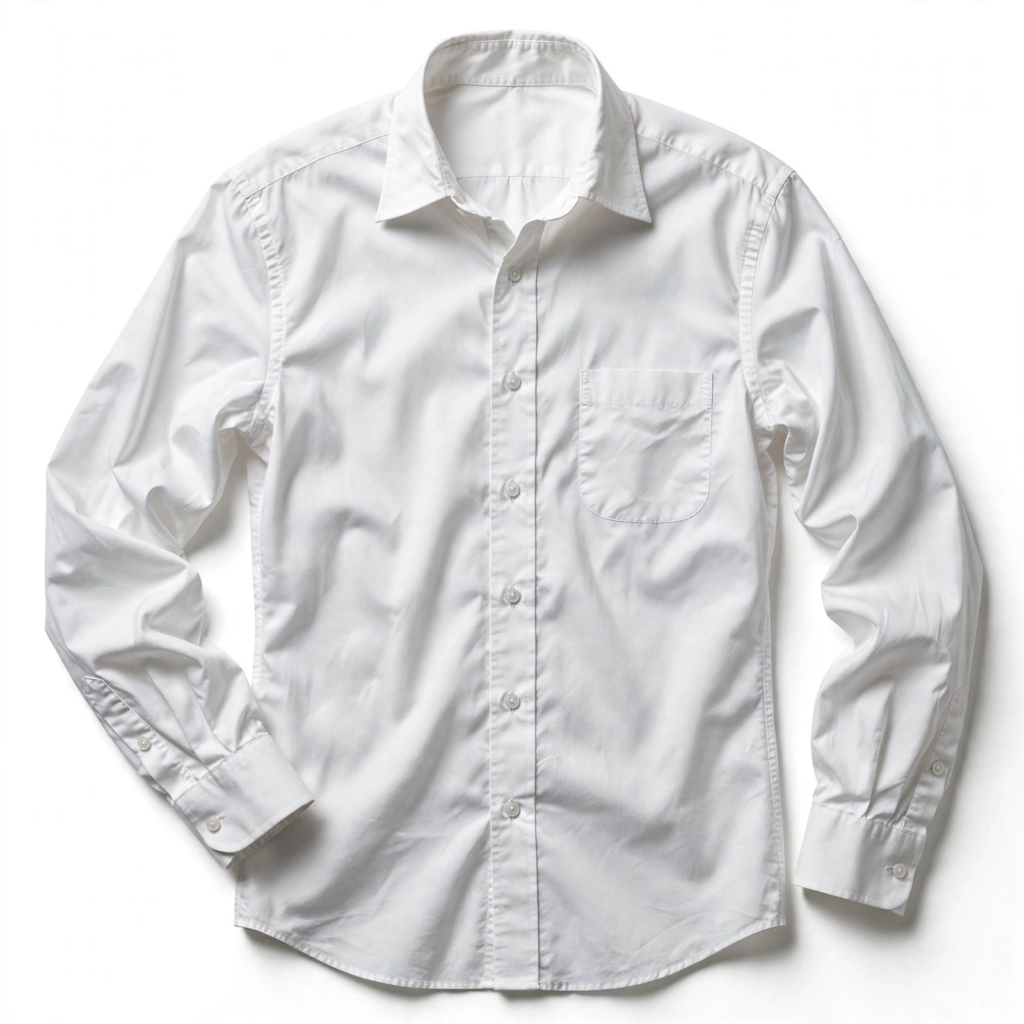
Woven lines complete the range: denim jeans, casual and dress shirts, trousers and shorts in cotton twill, plus workwear sets, coveralls, aprons and uniforms built for hard washing. Every family follows the same route – fabric approval, a sewn sample for sign-off, then bulk production against the approved piece – so adding a woven line to a knit programme needs no second supplier.
Sizing runs across the household: men’s and women’s cuts from extra small to double extra large, children’s sizes for school and club programmes, and baby clothing in the softest cotton qualities. Each size set is proven on a graded sample before bulk cutting, and the final inspection re-measures finished garments across the run, not only at the top size.
Apparel Exporter in Bangladesh for German Importers
German importers test a supplier on paperwork first: measurement charts that match the sewn garment, fabric references that match the delivered cloth, and documents that match the shipment. Buyers comparing garment manufacturers in bangladesh for the German market will find Siatex working the same way, with tolerances agreed before cutting and the approved sample treated as part of the order contract.
Working as your apparel exporter, we prepare the export side alongside production. Carton marks, packing lists and invoices follow the format your forwarder expects, mixed-colour programmes are packed separately by shade and marked clearly, and buyers who need tested fabrics can ask for qualities tested for harmful substances. The paperwork agrees with the physical shipment, which is where careless factories cost importers days.
Delivery is planned backwards from your selling date. Approvals are scheduled so production finishes with the sea schedule in hand, and where a date is truly fixed, the urgent styles can travel by air while the balance follows by sea. That split is agreed at the approval stage, so freight protects the date instead of rescuing a delay.
Sampling and Approval Before Bulk Production
No bulk order starts from a drawing alone. The route runs from a first sewn sample in your fabric, through fit and size-set checks, to a pre-production sample carrying your labels and trims exactly as the bulk will carry them. Our sampling policy sets out how those samples are made, approved and sent, so you always know which piece you are signing off.
Approvals are recorded in writing and the approved pieces stay with your file. Any change you ask for after sampling – a colour, a trim, a measurement – is marked against the sample and confirmed before cutting starts. Bulk production then sews to a physical standard the line can see, not to a memory of what was agreed.
Knitwear Wholesaler in Bangladesh for Dutch Distributors
Dutch distributors plan knitwear by the season and compare suppliers on how a programme repeats. Jumpers, cardigans and knitted tops are sampled ahead of the selling season, gauges and yarns are agreed against a knitted swatch you approve, and the approved standard stays on file so next season’s reorder starts from the last accepted piece rather than from a fresh negotiation.
Wholesale handling suits a mixed book of customers. Styles are kept separate in production and packing while the shipping runs together, cartons are marked by style, colour and size, and the packing list states the exact contents of every box. A distributor can therefore serve several retail customers from one shipment without opening and re-sorting cartons on arrival.
Private label sits naturally inside a wholesale programme. A distributor’s own woven labels, hangtags and packaging are applied during production, so the knitwear arrives shelf-ready under the distributor’s name or a retail customer’s name. Standards for each label are held separately on file, and one customer’s branding is never mixed into another customer’s cartons.
A Garment Factory in Bangladesh Built Around Quality Control
Quality is checked at three points: fabric before cutting, garments on the line, and finished pieces before packing. Shade banding, measurements, seam strength, label accuracy and surface cleanliness are checked against the approved sample at each stage. The garment manufacturers in bangladesh who keep European and North American accounts are the ones whose inspection finds faults at home, not at the customer’s warehouse.
Repeatability is protected with retained references. The approved garment, the shade standards and a cutting from the last bulk run stay with your file, and faulty pieces are removed before they reach a carton rather than shipped and sorted later. A programme that returns next season restarts from the last approved standard, with any drift beyond the agreed tolerance held and corrected before cartons are sealed.
Start Your Garment Programme With One Enquiry
Starting takes one clear enquiry. Send the styles or tech packs you want made, the fabrics and colours you have in mind, the size ratios for your market and the date the goods must leave Bangladesh. The merchandising team will reply with fabric options and a sampling plan, explained in plain language before you commit to anything.
Reach the team through our contact page and name your market and your main product, so the enquiry lands with the right merchandiser from the first message. Put the same questions to every name on your list of garment manufacturers in bangladesh – sample first, checks in writing, one person answerable – and choose the factory whose evidence you can hold in your hand.
Frequently Asked Questions
How do Canadian brands start a first order with you?
Send your styles or tech packs with fabric and colour references. You receive a sampling plan and a sewn sample for approval before any bulk commitment, with bilingual care labelling and North American size ratios settled at the approval stage. Nothing is cut in bulk until the sample in your hand is the garment you want to sell.
Can garments carry our own labels and packaging?
Yes. Your woven neck label, size labels, hangtags and packaging are made to your artwork and applied during production, and printed-neck or tear-away options are available where your customers want a clean inside. Your labels are used only on your programme, and overruns are counted and reported, so what carries your name stays under your control.
What should German importers include in a first enquiry?
Send the tech pack or a clear style description, your fabric reference or the quality you want matched, the size ratio for your market and your target delivery date. The reply covers fabric options, the sampling route and the documentation your forwarder will receive, so you can judge the paperwork before you judge the price.
How is quality checked before cartons are sealed?
At three stages: fabric is checked for shade, weight and shrinkage before cutting, garments are inspected on the line against the approved sample, and finished pieces are re-measured and checked before packing. Faulty garments are removed at each stage rather than shipped, and cartons are marked so the contents can be verified against the packing list on arrival.